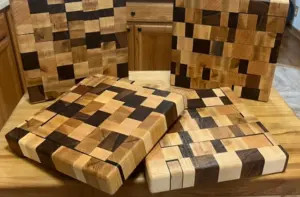
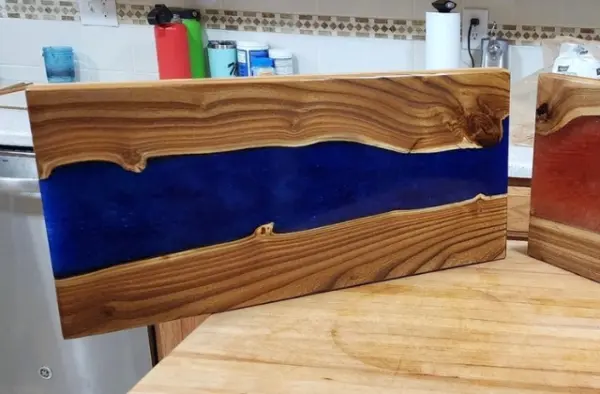
The Best Wood for Charcuterie Boards (And Why It Matters)
Not all charcuterie boards are created equal. The type of wood used plays a major role in how the board looks, feels, and performs over time. Whether you’re shopping for custom charcuterie boards in Wyoming or searching for unique handmade gift ideas, understanding wood selection can help you choose a board that lasts.
Here’s what you should know about the best wood for charcuterie boards and why it matters.
Why Wood Choice Is Important
The right wood affects more than appearance. It also impacts:
- Durability
- Food safety
- Weight and feel
- Grain pattern and style
- Resistance to moisture and wear
A quality board should look great while also handling regular use and cleaning properly.
Hardwoods Are the Best Choice
Most high-quality charcuterie boards are made from hardwoods because they’re dense, durable, and less porous than softer woods.
Popular hardwood options include:
- Walnut
- Maple
- Cherry
- White oak
These woods hold up well over time and create a smooth serving surface ideal for entertaining.
Walnut Charcuterie Boards
Walnut is one of the most popular woods for handmade charcuterie boards.
Benefits include:
- Rich dark color
- Premium appearance
- Smooth grain patterns
- Strong durability
Walnut works especially well for modern or high-end board designs.
Maple Charcuterie Boards
Maple is another excellent option because of its clean appearance and durability.
Maple boards are known for:
- Light natural color
- Tight grain structure
- Smooth serving surface
- Versatile design style
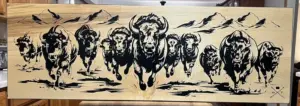
Many engraved charcuterie boards use maple because engravings stand out clearly against the lighter wood.
Cherry Wood Boards
Cherry offers a warmer, slightly richer appearance that darkens beautifully over time.
People often choose cherry because it provides:
- A classic wood tone
- Unique grain character
- A softer natural appearance
Cherry is especially popular for personalized gift boards and decorative serving pieces.
Avoid Softwoods for Serving Boards
Softwoods like pine or cedar are generally not ideal for charcuterie boards.
They can:
- Scratch more easily
- Absorb moisture faster
- Wear down quicker with use
Hardwoods typically perform much better for food-serving applications.
The Importance of Food-Safe Finishes
Even the best wood needs proper finishing.
Quality boards should be treated with:
Food-safe oils
Protective conditioning products
Moisture-resistant finishes designed for serving use
Learn more in our guide on how to care for a wooden charcuterie board.
Custom Charcuterie Boards Make Great Gifts
Wood choice also impacts the overall presentation of gift boards.
Popular gift options include:
- Personalized wedding gifts
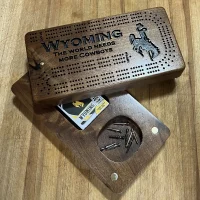
- Engraved family name boards
- Holiday and housewarming gifts
- Custom serving board sets
For anyone searching for personalized charcuterie board wedding gifts, hardwood boards provide the best combination of appearance and longevity.
Why Handmade Boards Stand Out
Mass-produced boards often prioritize speed and lower-cost materials. Handmade boards focus more on craftsmanship and detail.
Benefits of handmade charcuterie boards include:
- More unique grain patterns
- Better material selection
- One-of-a-kind designs
- Custom engraving and personalization options
See our custom charcuterie boards for handcrafted options designed for entertaining and gifting.
Get a Handmade Charcuterie Board Built to Last
Looking for custom charcuterie boards in Wyoming or unique engraved serving boards? We create handcrafted boards designed for everyday use and gifting.